
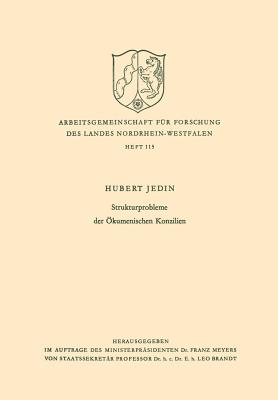
Strukturprobleme Der Ökumenischen Konzilien
| AUTHOR | Jedin, Hubert |
| PUBLISHER | Vs Verlag Fur Sozialwissenschaften (01/01/1963) |
| PRODUCT TYPE | Paperback (Paperback) |
Description
The history of the councils permits the recognition of four traditional types of Oecumenical Council - the Old-christian Bishops' Council, which was convened by the Emperor and decided questions of dogma and disci- pline; the Papal General Council of the middle ages, which was convened, guided and confirmed by the Pope and which, both by reason of the sub- jects to be dealt with and the personal constitution thereof, represented Christendom; the councils of the 15th century claimed to act as Church Par- liaments; the Council of Trient, which again reverted to the twO first types and to which the first Vatican Council was similar as to structure, was con- forming in essentials to the Codex Juris Canonici. Does the present Vatican Council II, as to its structure, show new ten- deneies which go beyond the characteristics of the historie types? The author believes that five such tendencies can be recognised: 1. The careful preparation by experts, which also include Bishops, due to the predominant influence of the central cu rial authorities extends far beyond that of the Vaticanum I; 2. The consciousness of the collegial joint responsibility of the episcopate, which however 3. co-operates with the Papal primatial authority and which elevates the long contested question of powers into the sphere of responsibility; 4. the pastoral and 5. the oecumenical direction, both of which have been basing on the person- al initiative of Pope Johannes XXIII.
Show More
Product Format
Product Details
ISBN-13:
9783663008200
ISBN-10:
3663008207
Binding:
Paperback or Softback (Trade Paperback (Us))
Content Language:
German
More Product Details
Page Count:
61
Carton Quantity:
64
Product Dimensions:
6.69 x 0.13 x 9.61 inches
Weight:
0.26 pound(s)
Country of Origin:
US
Subject Information
BISAC Categories
Education | Teaching - Subjects - Arts & Humanities
Education | Comparative Religion
Dewey Decimal:
001.3
Descriptions, Reviews, Etc.
publisher marketing
The history of the councils permits the recognition of four traditional types of Oecumenical Council - the Old-christian Bishops' Council, which was convened by the Emperor and decided questions of dogma and disci- pline; the Papal General Council of the middle ages, which was convened, guided and confirmed by the Pope and which, both by reason of the sub- jects to be dealt with and the personal constitution thereof, represented Christendom; the councils of the 15th century claimed to act as Church Par- liaments; the Council of Trient, which again reverted to the twO first types and to which the first Vatican Council was similar as to structure, was con- forming in essentials to the Codex Juris Canonici. Does the present Vatican Council II, as to its structure, show new ten- deneies which go beyond the characteristics of the historie types? The author believes that five such tendencies can be recognised: 1. The careful preparation by experts, which also include Bishops, due to the predominant influence of the central cu rial authorities extends far beyond that of the Vaticanum I; 2. The consciousness of the collegial joint responsibility of the episcopate, which however 3. co-operates with the Papal primatial authority and which elevates the long contested question of powers into the sphere of responsibility; 4. the pastoral and 5. the oecumenical direction, both of which have been basing on the person- al initiative of Pope Johannes XXIII.
Show More
List Price $59.99
Your Price
$59.39